
The “she said she was 12 meme” has become one of the most controversial and widely shared internet trends in recent times.
This viral phenomenon started as a simple TikTok video but quickly exploded across social media platforms, sparking debates about online safety, humor boundaries, and digital culture.
If you’ve seen this meme pop up on your feed and wondered what it means, where it came from, or why people are talking about it, you’re in the right place.
In this complete breakdown, we’ll explore everything about the she said she was 12 meme—from its surprising origins to the serious backlash it received.
We’ll look at how people are using it today, the variations that emerged, and what this viral trend tells us about modern internet culture.
Whether you found this meme funny, disturbing, or confusing, understanding its context helps make sense of today’s digital age and the complex world of internet humor.
What Is the “She Said She Was 12” Meme?
Quick Explanation
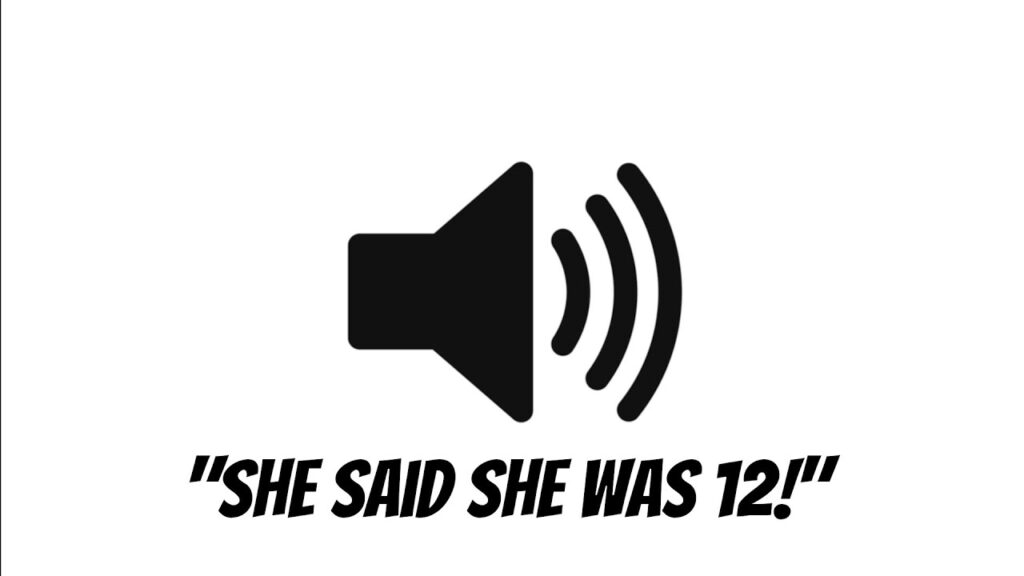
The she said she was 12 meme refers to a viral sound clip and video format where someone tells a story about an uncomfortable encounter that involves age misrepresentation.
The meme typically features a person sharing an experience that ends with the shocking revelation “she said she was 12,” followed by a dramatic or regretful reaction.
This internet sensation plays on shock value and dark humor. The basic premise involves someone realizing too late that a person they encountered was actually a minor, usually 12 years old.
The humor supposedly comes from the awkwardness and the storyteller’s claimed ignorance before discovering the truth.
The typical she said she was 12 format includes:
- A person telling a casual story about meeting someone
- A buildup suggesting everything seemed normal at first
- The shocking punchline: “she said she was 12”
- An exaggerated reaction of horror, regret, or panic
- Often accompanied by dramatic music or sound effects
However, this meme walks a very thin line between dark comedy and genuinely inappropriate content.
Many people find it funny in an absurdist way, while others see it as normalizing dangerous behavior or making light of serious issues like online safety and protecting minors.
Where People See It
You’ve probably encountered the viral meme across multiple platforms:
TikTok: This is ground zero for the meme. Thousands of videos use the sound clip, with creators acting out scenarios or adding their own twist. The TikTok viral trend spread rapidly through the platform’s algorithm, reaching millions of views within days.
Instagram: Meme pages and reels feature screenshots, video clips, and recreations. Instagram pages dedicated to viral content quickly picked up the trend, sharing compilations and variations.
Twitter: Users share reactions, screenshots, and commentary about the meme. Twitter reactions range from finding it hilarious to calling it problematic and inappropriate.
YouTube: Compilation videos and meme explanation content help spread awareness. Content creators make “she said she was 12 meme compilation” videos that rack up hundreds of thousands of views.
Pinterest: Collections of meme images and templates appear in search results. Users save and share different versions for later use.
Reddit: Discussion threads analyze, debate, and share new versions. Subreddits dedicated to memes and viral trends dissect the phenomenon.
Imgflip and Meme Generators: Tools allow people to create custom versions with their own text and images. The meme generator pages make it easy for anyone to participate in the trend.
The meme’s reach demonstrates how quickly content can spread in today’s interconnected social media landscape. A single video can transform into a cultural moment within hours.
The Original Viral Video Explained
TikTok Origin
The original video that sparked this entire phenomenon came from TikTok, the platform that has become the primary birthplace of viral trends and meme culture in recent years. Unlike many memes that have unclear origins, this one can be traced back to specific content creators who popularized the format.
The she said she was twelve sound clip gained traction in early 2023, though some variations existed before that. The audio features someone recounting a story with the memorable punchline that shocked viewers and immediately became shareable content.
What made TikTok the perfect platform for this meme:
- Short-form video format allows quick punchlines
- Sound sharing feature lets others use the same audio
- Algorithm pushes shocking or controversial content
- Young audience receptive to edgy humor
- Easy duet and stitch features for responses
- Trending page amplifies viral content
The platform’s structure meant that once one video gained momentum, hundreds of creators jumped on the trend within hours. This snowball effect is characteristic of TikTok trends and explains how the she said she was 12 meme spread so rapidly.
Jack Joseph’s Video
While multiple creators contributed to popularizing this meme, Jack Joseph is often credited with one of the most viral versions. His video perfectly captured the shock value and comedic timing that made the meme explode.
In Jack Joseph’s interpretation, he acts out a scenario where he’s telling a story to friends. His facial expressions, timing, and delivery of the punchline “she said she was 12” created the template that thousands would copy. The video resonated because:
- Authentic reaction that seemed genuinely shocked
- Relatable storytelling format
- Perfect comedic timing
- Just the right length for maximum impact
- Shareable content that people wanted to send to friends
Jack Joseph’s video accumulated millions of views within the first week. Comments flooded in with people tagging friends, sharing their own stories (real or fictional), and debating whether the humor was appropriate. The creator response to the attention was mixed—some embraced the viral fame while others distanced themselves from the controversy.
His version became the reference point for countless recreations, edits, and spin-offs that would follow.
How It Went Viral
The path from a single TikTok video to a full-blown viral phenomenon happened remarkably fast. Here’s the timeline of how it spread:
Week 1: Initial Upload and Discovery
- Original videos posted by Jack Joseph and other creators
- Early viewers share with friends
- First few thousand views and comments
- Some people start creating response videos
Week 2: Algorithm Boost
- TikTok algorithm identifies engagement patterns
- Videos start appearing on “For You” pages
- View counts jump from thousands to millions
- First major meme pages share the content
- Cross-posting to Instagram and Twitter begins
Week 3: Peak Virality
- Mainstream meme accounts pick it up
- Celebrities and influencers reference it
- News outlets and blogs start covering it
- Controversy grows alongside popularity
- Thousands of variations flood platforms
Week 4 and Beyond: Cultural Integration
- Becomes reference point in online conversations
- Sound effect libraries add the audio
- Meme generators create templates
- Backlash intensifies from critics
- Meme enters long-tail phase with continued use
Several factors contributed to how it went viral quickly:
1. Shock Factor: The controversial nature made people want to share and discuss it. Content that provokes strong reactions—whether positive or negative—spreads faster than neutral content.
2. Simplicity: Easy to understand and recreate. Anyone could make their own version without special skills or equipment.
3. Relatability: Many people have experienced age confusion or awkward encounters (though usually not this extreme). The uncomfortable feeling resonated even if the specific scenario didn’t.
4. Controversy: Debate about appropriateness increased visibility. Arguments in comments sections, quote tweets, and reaction videos all fed the algorithm.
5. Platform Features: TikTok’s sound-sharing made remixing effortless. Unlike platforms where you need to download and re-upload, TikTok’s built-in features streamlined the process.
6. Timing: Released during a period when users craved shocking content. The digital landscape cycles through trends, and this hit at the right moment.
The viral spread demonstrates how modern memes can achieve mass awareness in days rather than weeks or months. The internet’s speed has accelerated the lifecycle of viral content dramatically.
Why This Meme Became So Popular
Shock Value
Shock value is the primary driver behind this meme’s explosive popularity. Internet culture has increasingly gravitated toward content that surprises, disturbs, or crosses boundaries. The she said she was 12 meme delivers an immediate jolt that makes people react instantly.
Why shock value works in memes:
Immediate Emotional Response: When people hear or see something shocking, they react before thinking. This gut-level response drives engagement—comments, shares, and discussions all follow the initial shock.
Memory Formation: Controversial content sticks in your brain longer than mundane posts. You remember the shocking meme you saw last week more easily than a cute cat video.
Conversation Starter: Shocking memes give people something to talk about. “Did you see that crazy she said she was 12 video?” becomes a social bonding moment.
Boundary Testing: Young internet users especially enjoy content that pushes limits. It feels rebellious and edgy in a relatively safe way.
Distinguishing Factor: In a sea of millions of daily posts, shocking content stands out. The algorithm rewards engagement, and shocked people engage.
The dark humor aspect plays into our psychological attraction to taboo topics. When something is “forbidden” or controversial, it becomes more interesting. The meme touches on serious issues—age, consent, deception—but packages them in a supposedly humorous format.
However, the shock value is precisely what makes this meme so divisive. What some view as edgy comedy, others see as normalizing predatory behavior or making light of child safety.
Relatability
Despite the extreme nature, the meme phenomenon taps into relatable experiences and fears that many people share:
Age Uncertainty: In our digital age, determining someone’s age online is genuinely difficult. Profile pictures can be misleading, people lie about their age, and visual cues don’t always translate through screens. Many adults have experienced the uncomfortable moment of realizing someone they thought was older is actually much younger.
Social Awkwardness: The horror of discovering you made a social mistake resonates widely. Whether it’s the wrong assumption about age or any other embarrassing realization, people relate to that sinking feeling.
Dating App Confusion: Modern dating involves online interactions where age verification is imperfect. Stories of age catfishing are common enough that the meme’s premise doesn’t seem entirely fictional.
Second-Hand Embarrassment: Even if you haven’t experienced this exact scenario, the cringe factor is universal. We’ve all witnessed or experienced awkward moments that make this relatable.
Friend Group Stories: The format mimics how people actually tell embarrassing stories to friends. The casual, storytelling approach feels authentic and familiar.
The relatability creates what psychologists call “parasocial recognition”—you recognize the emotion even if you haven’t lived the specific experience. This connection makes the meme more shareable because people tag friends saying “this is literally that story you told me” or “can you imagine?”
Internet Humor
The she said she was 12 meme perfectly exemplifies current internet humor trends and what makes content viral in today’s digital culture:
Dark Comedy Evolution: Internet humor has progressively embraced darker, more controversial topics. What previous generations might find shocking, younger audiences see as just another meme format. The internet’s semi-anonymous nature encourages boundary-pushing comedy.
Absurdist Elements: The meme’s premise is so extreme it borders on absurd. This absurdity creates distance from reality, allowing people to laugh without fully endorsing the behavior. It’s the “it’s so ridiculous it’s funny” principle.
Self-Aware Irony: Many people sharing the meme understand it’s inappropriate, and that self-awareness becomes part of the humor. The joke includes knowing you probably shouldn’t find it funny.
Format Versatility: Like all great memes, it’s adaptable. People modified the format for different contexts, keeping it fresh and relevant across various situations.
Cultural Commentary: Beneath the shock, the meme comments on real issues: online deception, age verification problems, and the dangers of digital interactions. Humor becomes a way to process serious topics.
Participation Culture: Modern memes aren’t just consumed—they’re recreated. The she said she was 12 format invited everyone to make their own version, creating a sense of community participation.
Speed and Brevity: The joke hits fast and ends quickly, perfect for short attention spans. No lengthy setup required—just immediate impact.
The meme also benefits from what researchers call “dangerous laughter”—humor that acknowledges something wrong or forbidden. This type of comedy creates in-group bonding among those who “get it” while potentially excluding or offending others who don’t appreciate the joke.
Internet humor in 2023-2024 favors:
- Quick delivery
- Visual impact
- Controversial topics
- Participatory formats
- Platform-native content
- Ironic self-awareness
The she said she was 12 meme checks all these boxes, explaining its rapid rise in meme culture.
The Backlash and Controversy
Online Safety Concerns
The backlash against this meme was swift and significant. Child safety advocates, parents, educators, and many social media users raised serious online safety concerns about the content and its implications.
Primary Safety Issues Raised:
Normalization of Predatory Behavior: Critics argue the meme makes light of adults pursuing minors. Even when meant as a joke, repeatedly seeing this content could desensitize people to a serious problem. Child protection organizations pointed out that actual predators use similar excuses (“I didn’t know her age”) to justify illegal behavior.
Platform Responsibility: Questions arose about whether TikTok, Instagram, and other platforms should allow this content. Does it violate community guidelines about child safety? Should there be stricter content moderation?
Impact on Young Users: Many minors themselves participate in creating these videos. Experts worry about children engaging with mature themes they don’t fully understand. The meme might expose young users to concepts and situations inappropriate for their age.
Real-World Harm: While defenders claim “it’s just a meme,” critics note that online content influences offline behavior. The concern isn’t that someone will watch the meme and commit a crime, but that it contributes to a culture that doesn’t take child safety seriously enough.
Grooming Concerns: Some experts see parallels to grooming tactics, where inappropriate relationships are normalized gradually. Making jokes about age deception could potentially make actual victims less likely to report concerns.
Organizations focused on digital safety issued statements:
“Memes that trivialize age misrepresentation create dangerous blind spots. While humor is subjective, content involving minors requires extra caution. We encourage platforms to evaluate whether this trend aligns with their child safety policies.” – (Paraphrased from various child safety advocacy groups)
Parents expressed worry about their children encountering or participating in the trend. Many reported having difficult conversations with their kids about why the meme is problematic, even if friends find it funny.
Age Misrepresentation Issues
The meme highlights very real problems with age misrepresentation in digital spaces:
Online Dating Dangers: Dating apps and social media make it possible for minors to create profiles claiming they’re adults. Age verification systems have significant flaws:
- Users can simply lie about birthdate
- Photo ID verification isn’t universal
- Fake IDs can fool automated systems
- No foolproof way to verify age remotely
The Reality Behind the Joke: While the meme treats it as comedy, age catfishing is a genuine problem. Cases exist where:
- Minors lie to access adult spaces
- Adults unknowingly interact with children
- Legal consequences follow for adults
- Actual victims suffer trauma
Legal Implications: In many jurisdictions, “I didn’t know their age” is not a valid legal defense. The meme jokes about a situation that could lead to serious criminal charges, even when the adult was genuinely deceived. This makes the humor particularly dark for those who understand the legal ramifications.
Victim Blaming: Some critics note the meme potentially shifts blame to the minor (“she lied about her age”) rather than emphasizing adult responsibility. Even if a young person lies, adults bear responsibility for verifying age and avoiding inappropriate situations.
Platform Age Policies: Most social media platforms require users to be 13+, but enforcement is minimal. The meme indirectly highlights how easy it is for children to access spaces meant for older users.
Table: Age Verification Challenges Across Platforms
| Platform | Minimum Age | Verification Method | Easy to Bypass? |
|---|---|---|---|
| TikTok | 13 years | Self-reported birthdate | Yes – just lie |
| 13 years | Self-reported birthdate | Yes – just lie | |
| Dating Apps | 18 years | Self-reported + sometimes photo | Moderate – fake IDs work |
| Discord | 13 years | Self-reported birthdate | Yes – just lie |
| Snapchat | 13 years | Self-reported birthdate | Yes – just lie |
The ease of circumventing age restrictions contributes to situations the meme references, making it both a joke and an uncomfortable reflection of digital reality.
Serious Discussions It Sparked
Beyond immediate criticism, the meme generated important serious discussions about digital culture, consent, and responsibility:
Conversation 1: Where’s the Line in Humor?
The meme forced discussions about comedy boundaries. When does edgy humor cross into harmful territory? Different perspectives emerged:
- Free Speech Advocates: Argued that comedy should be unrestricted, and being offended doesn’t justify censorship
- Child Safety Experts: Maintained some topics shouldn’t be joke material, especially involving minors
- Comedians and Content Creators: Debated whether context, intent, and audience matter in determining appropriateness
- Platform Users: Divided between “it’s just a joke, relax” and “this normalizes dangerous behavior”
Conversation 2: Adult Responsibility in Digital Spaces
The meme sparked talks about what responsibility adults have when interacting online:
- Should adults verify ages before engaging with anyone online?
- What due diligence is reasonable when profiles can be faked?
- How do we balance paranoia with practical safety?
- What role do platforms play in age verification?
Conversation 3: Meme Culture and Ethics
Broader questions about social commentary emerged:
- Do creators have responsibility for how their content is used?
- Should platforms moderate based on potential harm or actual violations?
- How does viral content shape cultural attitudes?
- What’s the relationship between online humor and real-world behavior?
Conversation 4: Generational Divide
The meme highlighted generational differences in humor:
- Younger users (Gen Z) more likely to see it as absurdist humor
- Older users (Millennials, Gen X) more likely to see it as inappropriate
- Different relationships with digital native culture
- Varying comfort levels with dark comedy
Conversation 5: Intent vs. Impact
A philosophical debate emerged about whether creator intent matters:
- If someone makes the meme as absurdist humor, does the intent matter?
- Or does the impact on viewers (potentially normalizing inappropriate behavior) outweigh intent?
- Can content be harmful even when creators don’t intend harm?
These discussions extended beyond the meme itself to broader questions about internet culture, digital ethics, and how we navigate controversial content in shared online spaces.
Mental health professionals weighed in, noting that humor can be both a coping mechanism and a harmful force depending on context. The meme became a case study in how viral content forces society to grapple with evolving norms.
How People Are Using the Meme Today
Recreations
Despite controversy, recreations of the she said she was 12 meme continue across platforms. Creators put their own spin on the format:
Acting Versions: TikTok users film themselves acting out the scenario with dramatic flair. These often include:
- Exaggerated facial expressions
- Theatrical shock reactions
- Friend group settings mimicking the original
- Added visual effects for comedic emphasis
POV (Point of View) Videos: A popular format where creators film from the perspective of someone in the situation. These often use text overlays and transitions to tell the story visually without spoken dialogue.
Animation and Cartoon Versions: Digital artists create animated versions featuring characters rather than real people. This adds a layer of abstraction that some feel makes the joke more acceptable.
Pet and Animal Versions: Some creators humorously apply the format to pets or animals, completely removing the inappropriate elements. “When you adopt a kitten and find out she’s actually 12… weeks old” type variations.
Reverse Versions: Flipping the script to make commentary, such as focusing on the inappropriateness rather than the shock humor.
The volume of recreations demonstrates the meme’s staying power. Even months after initial virality, new versions appear daily. Content creation around the meme has become a participatory trend where engagement matters more than originality.
Edits
Video edits and remixes represent another major category of usage:
Sound Mashups: Editors combine the she said she was 12 audio with other viral sounds, creating hybrid memes. These often layer multiple trending elements for compounded viral potential.
Movie and TV Clips: Editors overlay the audio onto scenes from films and shows, recontextualizing familiar content. Popular choices include:
- Crime dramas with investigation scenes
- Comedy shows with shocked reactions
- Reality TV moments that match the energy
- Anime with dramatic plot twists
Music Remixes: DJs and music producers incorporate the vocal clip into beats and songs. Some remixes have become popular in their own right, used in clubs and parties.
Slow-Mo and Speed Edits: Manipulating the playback speed for different comedic effects. Slow-motion versions emphasize the drama; sped-up versions add frantic energy.
Green Screen Content: Editors place the meme against various backgrounds, from absurd locations to celebrity photos, creating surreal combinations.
Compilation Videos: YouTube and TikTok feature “best of” compilations, gathering the funniest or most creative versions into digestible packages. These compilation videos often exceed millions of views, introducing the meme to new audiences.
Sound Effects
The sound effects and audio elements have taken on independent life:
Standalone Audio Clips: The “she said she was 12” audio is available on:
- TikTok’s sound library
- Voicemod and soundboard apps
- YouTube sound effect channels
- Discord soundboard bots
- Streaming software like OBS
Gaming Integration: Streamers use the sound effect as:
- Donation alerts
- Subscriber notifications
- Reaction sounds during gameplay
- Stream starting/ending stingers
Podcast and Content Creator Usage: Some podcasters and YouTubers reference or play the sound when discussing:
- Internet trends
- Awkward situations
- Age-related topics
- Viral content roundups
DJ and Party Usage: The sound clip appears in:
- DJ mixes and transitions
- Party playlists as a joke track
- College campus events
- Social gathering soundboards
The audio’s versatility means it functions independently from video content, spreading the meme through purely audio channels. This multi-format presence extends the meme’s lifespan and reach beyond visual platforms.
Meme Generators
Meme generators have adapted the she said she was 12 format into customizable templates:
Imgflip Templates: The platform hosts multiple variations where users can:
- Add custom text to image templates
- Choose from different reaction images
- Create captioned versions
- Download and share easily
Kapwing and Canva: Video editing tools include:
- She said she was 12 templates
- Pre-loaded fonts and styling
- Easy text overlay options
- One-click social media export
Mobile Apps: Meme creation apps feature:
- Dedicated she said she was 12 sections
- Quick template selection
- Social sharing integration
- Watermark options
Custom Text Generators: Some sites let users input their own “she said she was [number]” variations, automatically generating formatted memes.
The meme generator accessibility means anyone can participate without video editing skills. This democratization of content creation fuels the meme’s continued presence. Even people who never heard the original can create versions, spreading the format further.
How Meme Generators Keep Trends Alive:
- Lower barrier to entry for participation
- Enable quick creation during trending moments
- Allow personalization and customization
- Facilitate cross-platform sharing
- Create archives of meme formats
The infrastructure around meme creation ensures that even as the original video fades from memory, the format remains accessible and usable.
Popular Variations and Spin-offs
Bad Boy Chiller Crew Version
The Bad Boy Chiller Crew brought their unique style to the she said she was twelve meme, creating one of the most notable spin-offs:
Bad Boy Chiller Crew, a British music and comedy group known for their energetic performances and humorous content, incorporated the meme into their social media presence. Their version added:
Musical Elements: They integrated the phrase into their characteristic sound—a mix of bassline, grime, and comedy rap. The crew’s musical background allowed them to transform the spoken meme into a catchy audio element.
British Humor Twist: They added UK-specific references and slang, making the meme resonate with British audiences while maintaining the core joke. The cultural localization helped the meme cross international boundaries.
Performance Style: Their exaggerated, high-energy delivery matched their brand identity. Instead of a casual telling, they performed it with theatrical flair characteristic of their content.
Viral Reach: Bad Boy Chiller Crew’s large following meant their version reached audiences who might not have seen the original TikTok versions. Their take accumulated millions of views and introduced the meme to music fans.
Merchandise and Branding: True to their entrepreneurial approach, references appeared in their merchandise and promotional materials, further embedding the meme in their brand.
The Bad Boy Chiller Crew version demonstrates how established creators can revitalize memes by adding their signature style. Their interpretation kept the meme relevant in UK social media circles and expanded its geographic reach.
Celebrity References
While most celebrities avoided directly recreating the controversial meme, several referenced it:
Indirect Mentions: Some influencers and minor celebrities alluded to the meme in podcasts, streams, and interviews. These mentions typically involved:
- Discussing the meme’s popularity
- Debating its appropriateness
- Sharing opinions about viral trends
- Using it as an example of controversial internet humor
Reaction Videos: YouTube personalities and streamers created reaction content:
- Watching compilations and commenting
- Discussing the ethics and humor
- Comparing it to other controversial memes
- Analyzing why it went viral
Comedy Sketches: Some comedians incorporated elements into their routines:
- Satirizing the meme format
- Making commentary about internet culture
- Using it as a jumping-off point for age-related humor
- Creating meta-jokes about the meme’s controversy
Parody Versions: A few content creators made parody versions that intentionally missed the point or exaggerated elements for satire. These often aimed to highlight the meme’s problematic nature through humor.
Social Commentary: Cultural critics and commentators used the meme as a case study:
- Discussing digital ethics
- Analyzing Gen Z humor
- Examining viral content mechanisms
- Debating platform responsibility
Most mainstream celebrities stayed away from direct involvement, likely due to the controversy and potential backlash. Those who did engage typically maintained ironic distance or critical perspective rather than enthusiastic participation.
International Versions
The meme crossed language barriers with international versions appearing worldwide:
Spanish-Language Variations: “Ella dijo que tenía 12” versions appeared across Latin American TikTok and Instagram. These maintained the core concept while adapting:
- Cultural references and context
- Regional slang and expressions
- Local music and sound choices
- Country-specific humor styles
Portuguese Versions: Brazilian creators made “Ela disse que tinha 12” adaptations that became popular in Portuguese-speaking communities. Brazil’s massive TikTok presence ensured these versions gained significant traction.
French Adaptations: “Elle a dit qu’elle avait 12 ans” versions spread through French-speaking regions. European and Canadian creators added their cultural perspective.
Arabic Versions: Despite more conservative social media norms in many Arabic-speaking countries, some creators adapted the format, often with more subtle or metaphorical interpretations.
Asian Markets:
- Japanese: Some creators made versions using the meme format with different cultural contexts
- Korean: K-pop fan communities and Korean TikTok had limited engagement, often treating it as a Western curiosity
- Filipino: Active participation with Tagalog versions gaining popularity
European Variations:
- German: Direct translations and adaptations appeared
- Italian: “Lei ha detto che aveva 12 anni” versions emerged
- Dutch: Netherlands and Belgian creators participated
- Polish: Eastern European creators added local flavor
Cultural Adaptation Patterns:
Different cultures modified the meme to fit local norms:
- Some softened the controversy
- Others emphasized different aspects of the humor
- Certain regions focused on absurdism over shock
- Conservative areas either avoided it or significantly altered the premise
Table: International Meme Spread
| Region | Language | Engagement Level | Cultural Adaptation |
|---|---|---|---|
| North America | English | Very High | Original format |
| Latin America | Spanish/Portuguese | High | Direct translation |
| UK/Ireland | English | Very High | British humor style |
| Western Europe | Various | Medium | Moderated version |
| Middle East | Arabic | Low | Limited/altered |
| East Asia | Various | Medium | Cultural recontextualization |
| Australia/NZ | English | High | Similar to UK version |
The international spread shows how memes function as a global language while still requiring cultural translation. Each region’s version reflects local values, humor styles, and social media norms.
The Meme’s Impact on Social Media
TikTok Trends
The she said she was 12 meme significantly influenced TikTok trends and platform dynamics:
Algorithm Impact: The meme’s viral success taught creators what the TikTok algorithm rewards:
- Controversial content gets engagement
- Shock value drives shares and comments
- Quick hooks in first 3 seconds are crucial
- Participation trends multiply reach
Hashtag Performance: Associated hashtags accumulated billions of views:
- #shesaidshewas12 – hundreds of millions of views
- #ageshocker – tens of millions
- #awkwardstories – increased traffic
- #viralmeme – boosted by association
Sound Library Stats: The audio became one of the most-used sounds during peak virality:
- Used in 500,000+ videos
- Generated over 2 billion total views
- Remained trending for several weeks
- Created secondary viral sounds through remixes
Creator Behavior Changes: The meme’s success influenced content strategy:
- More creators attempted shock humor
- Edge-pushing content increased
- Controversial topics became more common
- Participation in viral trends accelerated
Platform Response: TikTok’s handling of the meme set precedents:
- Monitored for community guideline violations
- Didn’t remove the original content
- Added sensitivity screens to some versions
- Adjusted algorithm for similar content
Trend Lifecycle Lessons: The meme demonstrated:
- How quickly content can go viral
- The importance of timing
- Why controversy extends virality
- How backlash can fuel engagement
Demographic Engagement: Different age groups on TikTok responded differently:
- Teen users (13-17): High participation, mostly found it funny
- Young adults (18-24): Split between humor and criticism
- Adults (25+): More likely to criticize or ignore
- Parents: Generally negative response
The TikTok viral impact extended beyond the meme itself, influencing creator behavior and platform culture for months afterward.
Instagram Pages
Instagram pages became major distributors and amplifiers:
Meme Aggregator Accounts: Large meme pages (1M+ followers) shared the content:
- Posted screenshots from TikTok
- Created Instagram-specific versions
- Added commentary and captions
- Generated millions of impressions
Story Features: The meme thrived in Instagram Stories:
- Quick viewing format suited the short clip
- Poll stickers gauged audience opinion
- Question boxes collected reactions
- Sharing mechanics spread content rapidly
Reels Integration: Instagram Reels became another breeding ground:
- TikTok imports found new audiences
- Instagram-native recreations emerged
- Hashtag challenges spread the format
- Algorithm pushed controversial content
Celebrity Meme Pages: Accounts dedicated to celebrity culture:
- Used the meme format with famous people
- Created fictional scenarios
- Generated engagement through controversy
- Sparked debates in comments
Regional Meme Pages: Location-specific accounts adapted:
- City-based meme pages localized content
- University meme accounts created student versions
- Regional humor styles emerged
- Cultural variations multiplied
Engagement Metrics: Instagram posts featuring the meme saw:
- 20-40% higher engagement than average posts
- Increased comment section activity
- More shares to Stories
- Greater save rates (people bookmarking)
Content Moderation: Instagram’s approach differed from TikTok:
- Some versions flagged as sensitive content
- Age-restriction applied to certain posts
- User reports led to selective removal
- Automated systems struggled with context
Twitter Reactions
Twitter reactions showcased the full spectrum of public opinion:
Viral Tweet Patterns: Popular tweets about the meme included:
Humor Appreciation Tweets: “The she said she was 12 meme is unhinged and I can’t stop laughing 😭”
- Thousands of likes and retweets
- Created dialogue threads
- Sparked friendly debates
Critical Analysis Tweets: “We need to talk about why the ‘she said she was 12’ meme is actually really problematic”
- Generated serious discussion threads
- Quoted by think pieces
- Started awareness campaigns
Meme Documentation Tweets: “Explaining the she said she was 12 meme to my mom was the hardest conversation I’ve ever had”
- Relatable content about generational gaps
- Humorous takes on explaining internet culture
- High engagement from multiple demographics
Hot Takes and Arguments: Twitter’s format encouraged debate:
- Quote tweets with counter-arguments
- Long threads analyzing the ethics
- Comparisons to other controversial memes
- Academic perspectives from researchers
Trend Tracking: Twitter users monitored the meme’s evolution:
- Daily updates on new variations
- Screenshots from other platforms
- Compilation threads
- Timeline documentation
Creator Responses: Content creators defended or apologized:
- Original creators addressed backlash
- Explanations of intent
- Apologies when pressure mounted
- Debates about creative freedom
Media Coverage Amplification: Journalists and bloggers:
- Tweeted articles about the phenomenon
- Gathered public opinion
- Crowdsourced perspectives
- Created awareness beyond social media
Trending Status: The meme periodically trended on Twitter:
- Appeared in Trending Topics multiple times
- Regional trending in different countries
- Sparked by new variations or controversies
- Generated think pieces and news coverage
Polarization Effect: Twitter’s format amplified division:
- Algorithm showed users content matching their views
- Echo chambers formed on both sides
- Nuanced takes got less visibility
- Extreme reactions gained more engagement
Online Reactions and Comments
Funny Responses
Despite controversy, many funny responses and comments emerged:
Creative Reinterpretations:
- “She said she was 12… inches away from the edge of the pool and could swim”
- “She said she was 12… months into her gym membership”
- “She said she was 12… dollars short for the concert ticket”
These wholesome variations kept the format while removing inappropriate elements.
Self-Deprecating Humor: Comments from people relating to being mistaken for different ages:
- “Meanwhile I’m 25 and still get carded for R-rated movies”
- “I’m 30 but everyone thinks I’m a teenager, I feel this in reverse”
- “Being short problems: everyone thinks you’re 12 when you’re actually 20”
Absurdist Takes: Users who went completely off-script:
- Applying the format to historical figures
- Using it for completely unrelated scenarios
- Creating surrealist versions that made no sense
- Meta-jokes about the meme itself
Pop Culture References: Clever users connected to movies, shows, and songs:
- References to age-related plotlines
- Connections to coming-of-age stories
- Callbacks to ’90s and 2000s media
- Gaming references about character ages
Friend Group Inside Jokes: The meme became shorthand in friend groups:
- “This is giving ‘she said she was 12’ energy”
- Using it to roast friends about their judgment
- Inside references to shared awkward moments
- Bonding through shared meme knowledge
Platform-Specific Humor: Different platforms developed their own joke styles:
- TikTok: Short, punchy visual gags
- Twitter: Witty text-based one-liners
- Reddit: Long-form humorous analysis
- Instagram: Caption-based comedy
Serious Critiques
Equally prominent were serious critiques calling out problems:
Child Safety Advocates: “Normalizing jokes about child endangerment isn’t funny. The ‘she said she was 12’ meme makes light of predatory behavior and we should demand better from content creators.”
Key criticism points:
- Minimizes real dangers children face online
- Could influence how young people view age-gap relationships
- Treats serious legal and ethical issues as comedy
- Platforms should enforce stricter moderation
Educators and Parents: “As a teacher, I’m horrified by the ‘she said she was 12’ trend. Students think it’s harmless humor, but it reflects dangerous attitudes about responsibility and consent.”
Concerns raised:
- Impact on student behavior and attitudes
- Difficult conversations with children
- Erosion of serious discussion about consent
- Need for digital literacy education
Psychologists and Therapists: “The popularity of this meme reveals concerning attitudes. Humor can process difficult topics, but this trivializes predatory dynamics and victim responsibility.”
Professional perspectives:
- Psychological impact on actual victims
- Normalization of harmful behaviors
- Generational differences in trauma processing
- Need for nuanced media literacy
Feminist and Social Justice Critiques: “The ‘she said she was 12’ meme places blame on the child (usually female) for ‘lying’ rather than on adults for failing to verify. This is problematic victim-blaming.”
Analysis included:
- Gender dynamics in the meme
- Power imbalances ignored
- Cultural attitudes about responsibility
- Pattern of blaming victims
Platform Accountability Calls: “TikTok and Instagram need to explain why content making light of child endangerment is allowed to go viral while other less harmful content gets removed.”
Demands for:
- Clearer community guidelines
- Consistent content moderation
- Age-appropriate content filtering
- Platform responsibility statements
Legal Perspectives: Some lawyers and legal experts weighed in: “People don’t realize ‘I didn’t know their age’ isn’t a legal defense in most jurisdictions. This meme jokes about situations that result in serious criminal charges.”
Academic Analysis: Researchers studying digital culture published observations:
- Memes as cultural artifacts
- What viral content reveals about values
- Generational shifts in humor
- Platform dynamics and ethical responsibility
Creator Responses
Creator responses to both praise and criticism varied:
Defensive Responses: Some creators doubled down:
- “It’s just a meme, people need to relax”
- “If you’re offended, that’s a you problem”
- “Comedy should have no boundaries”
- “The algorithm pushed it, I just made content”
Apologetic Responses: Others apologized and reflected:
- “I didn’t think about the implications when I made this”
- “Looking back, I understand why people are upset”
- “I’ve deleted the video and I’m sorry”
- “I learned something about responsible content creation”
Educational Responses: Some used the moment to educate:
- Created follow-up videos about online safety
- Discussed why the meme is problematic
- Donated to child safety organizations
- Pledged to be more thoughtful
Deflective Responses: A few tried to shift focus:
- Blaming others for copying their content
- Claiming they were misunderstood
- Pointing to other controversial memes
- Arguing about platform hypocrisy
Silent Response: Many creators simply:
- Stopped engaging with the meme
- Moved on to other trends
- Didn’t address criticism directly
- Let the controversy fade naturally
Commercialization Responses: Some saw opportunity:
- Sold merchandise with references
- Monetized compilation videos
- Created sponsored content around the trend
- Built audience from controversy
Meta-Commentary: Thoughtful creators made content about the situation:
- Videos analyzing why they participated
- Discussions of creator responsibility
- Reflections on viral fame’s dark side
- Philosophical takes on internet culture
The variety of creator responses highlighted the challenge of viral fame—balancing authenticity, responsibility, audience expectations, and platform pressures.
Similar Viral Memes
“Zamn She’s 12”
The “Zamn She’s 12” meme shares thematic similarities but different origins:
Origin Story: The Zamn meme came from a YouTuber’s exaggerated reaction face, often accompanied by text expressing shock about someone’s age. Unlike the “she said she was 12” audio-based format, Zamn was image-based.
Format Differences:
- Visual vs. Audio: Zamn relied on the reaction image; she said she was 12 used sound
- Platform: Zamn was bigger on Reddit and image boards; she said she was 12 dominated TikTok
- Tone: Zamn was more overtly satirical; she said she was 12 played more ambiguous
Shared Elements:
- Both involve age shock
- Both sparked similar controversies
- Both used by similar demographics
- Both questioned appropriateness
Cultural Context: Zamn emerged from gaming/streaming culture, while she said she was 12 came from broader TikTok trends. The gaming community’s humor tends toward more explicit irony and self-awareness.
Controversy Comparison: Zamn faced backlash but less intense, possibly because:
- The satirical intent was clearer
- Image memes feel less “real” than video
- Smaller initial audience
- Different platform culture
Cross-Pollination: Some creators combined both memes:
- Using Zamn reaction images with she said she was 12 audio
- References to both in single videos
- Compilation videos featuring both
- Discussion comparing the two
Legacy Impact: Both memes contributed to ongoing conversations about:
- Where humor boundaries should be
- Age-related content appropriateness
- Platform responsibility
- Generational humor differences
Related Age-Based Memes
The meme phenomenon exists within a broader category of age-related viral content:
“How Old Were You When…” Memes: These ask people to share ages during historical or cultural moments:
- “How old were you when High School Musical came out?”
- “How old were you during [major event]?”
- Generally nostalgic and harmless
- Used to build generational community
“Guess My Age” Trends: People post photos asking others to guess their age:
- Often surprising reveals
- Highlights how appearance misleads
- Can be positive or negative
- Similar age uncertainty theme
“Teen vs. Adult” Content: Comparing teenage and adult versions of people:
- “16 vs. 26” photo comparisons
- Glow-up transformations
- How people change over time
- Less controversial, more celebratory
“Age Gap Relationship” Discourse: Ongoing debates about age differences:
- Celebrity couples with age gaps
- “Half your age plus seven” rule discussions
- When gaps become problematic
- More serious than meme-focused
“Fake ID” Stories: Humor about underage people accessing age-restricted things:
- Usually retrospective stories
- Often about bars or clubs
- Comedy rooted in past rule-breaking
- Similar themes, different execution
“OK Boomer” and Generational Memes: Age-based humor targeting generations:
- Generational stereotypes
- Age-related cultural differences
- Usually less controversial
- More about culture than individuals
“When I Was Your Age” Parodies: Mocking older generations’ stories:
- Exaggerated hardship tales
- Generational gap humor
- Mostly lighthearted
- Commentary on aging
Common Themes Across Age Memes:
- Age uncertainty and deception
- Generational differences
- Coming-of-age moments
- Time passing and nostalgia
- Societal expectations by age
- Legal and social age thresholds
Why Age Resonates in Memes:
- Universal experience (everyone ages)
- Generational identity is strong
- Age brings legal/social changes
- Nostalgia is powerful
- Uncertainty creates comedy
- Taboos around age create tension
Evolution of Age Humor: Internet culture has shifted how we joke about age:
- More explicit references than previous eras
- Less respect for traditional age hierarchies
- Greater awareness of appropriateness
- Platform-driven evolution
- Faster trend cycles
The she said she was 12 meme exists in this broader ecosystem, but its controversial edge distinguishes it from most age-related humor.
Final Thoughts
Meme culture has evolved dramatically in the digital age, and the she said she was 12 phenomenon exemplifies current trends:
Speed and Scale: Modern memes spread faster than ever before. What once took weeks now happens in days or hours. The infrastructure of social media—algorithms, sharing features, cross-posting—creates instant virality potential. The she said she was 12 meme went from obscure TikTok video to global phenomenon in less than two weeks.
Participation Over Consumption: Today’s memes aren’t just viewed—they’re recreated. The culture demands participation. Users don’t just laugh at memes; they make their own versions. This participatory nature turns consumers into creators, multiplying content exponentially. Every recreation is both a tribute and an evolution.
Controversy Fuels Virality: The algorithm doesn’t care if engagement is positive or negative. Comments arguing about appropriateness count the same as comments praising humor. Controversial content generates discussion, and discussion generates visibility. The backlash against the she said she was 12 meme paradoxically increased its reach.
Ephemerality and Archives: Memes have shorter lifespans but longer tails. A meme might trend for two weeks, fade from active creation, but remain in cultural memory and occasional reference for years. Digital archives ensure nothing truly disappears, even when trends move on.